Rome
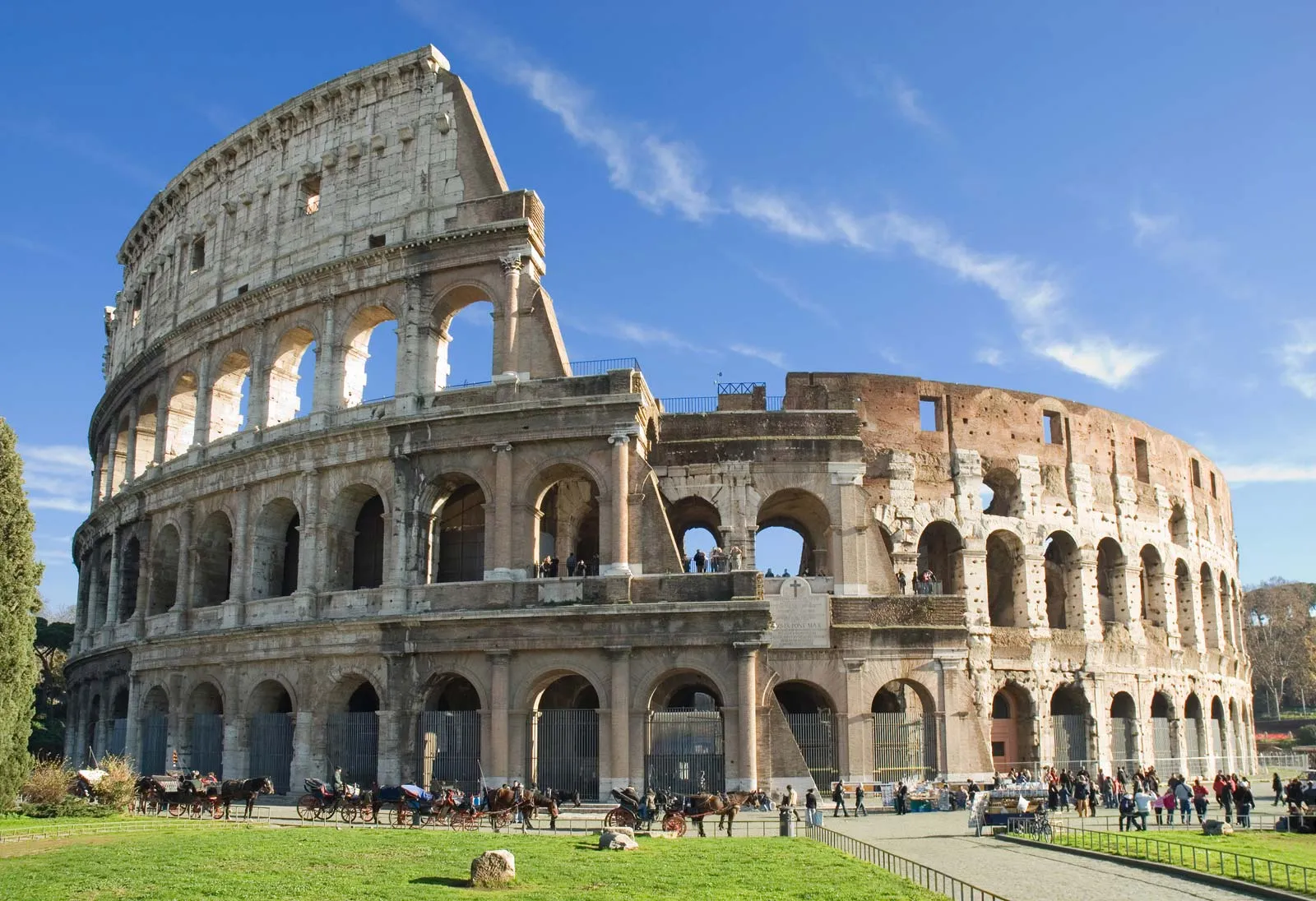
Colosseum
The Colosseum, located in the heart of Rome, is one of the greatest works of Roman architecture and engineering. It was the largest amphitheater of the Roman Empire, capable of seating over 50,000 spectators. Originally used for gladiatorial contests, public spectacles, and animal hunts, the Colosseum represents the might of ancient Rome. Its iconic structure, despite centuries of natural disasters and human destruction, continues to draw millions of visitors every year, symbolizing Rome's enduring cultural and architectural legacy.
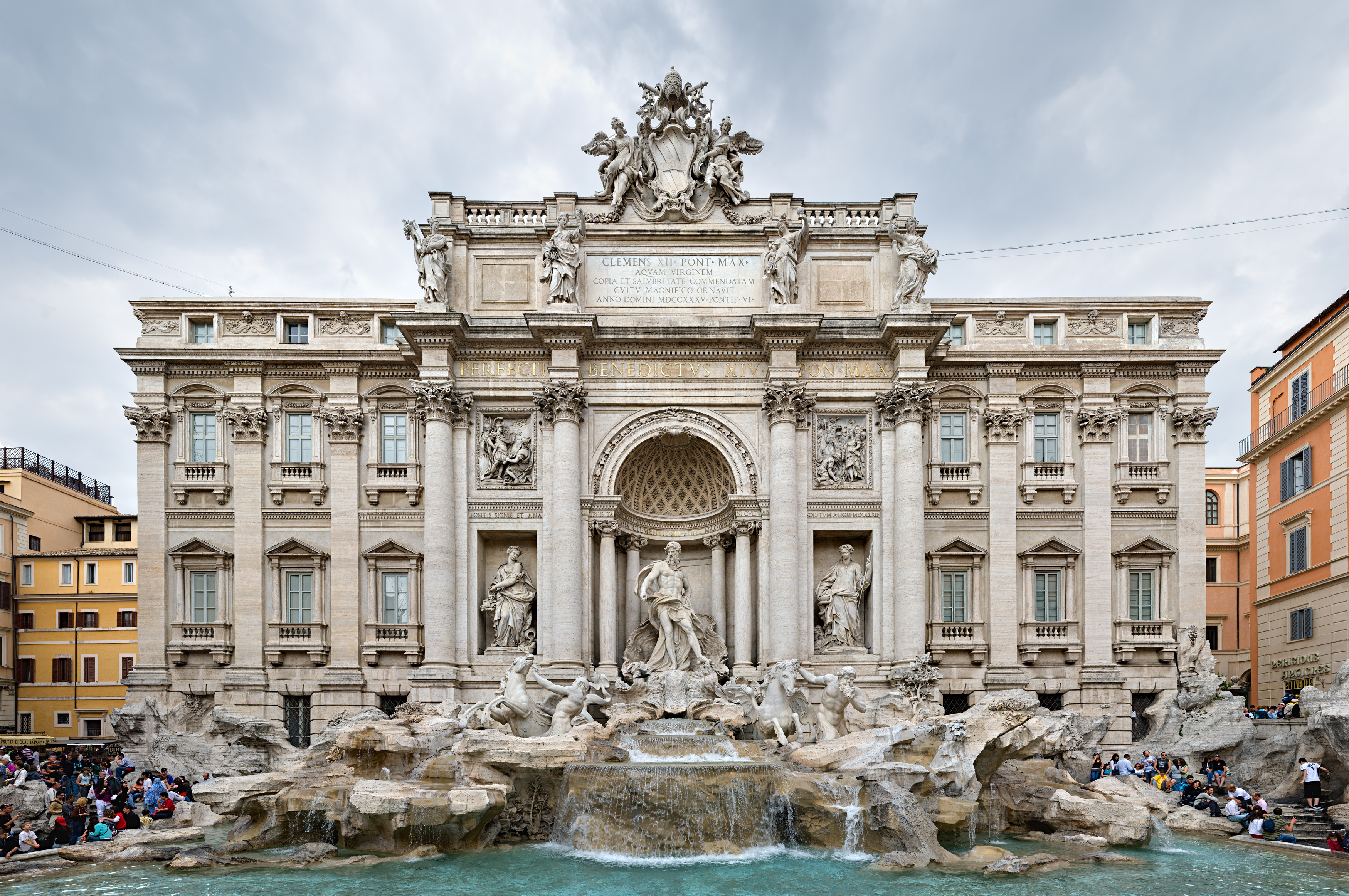
Trevi Fountain
The Trevi Fountain is one of the most famous Baroque fountains in the world. Located in Rome, it stands as a stunning example of art and architecture. The fountain was designed by Nicola Salvi and completed by Giuseppe Pannini in 1762. It features a grand central figure of Neptune, the god of the sea, flanked by tritons and horses. Tradition holds that if you throw a coin into the fountain, you will ensure your return to Rome, making it a must-see landmark for tourists.
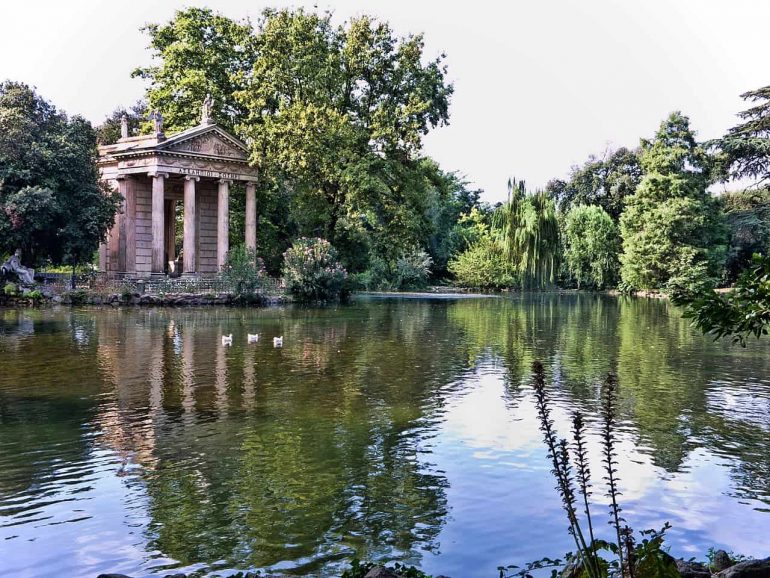
Villa Borghese
Villa Borghese is one of the most beautiful parks in Rome, Italy. It houses the renowned Borghese Gallery, which contains works by artists such as Caravaggio, Raphael, and Bernini. The villa itself is an example of the 17th-century grandeur of the Borghese family. The surrounding gardens offer a serene escape from the bustling city and are perfect for a relaxing stroll. Visitors can also enjoy boat rides on the small lake, making it a popular destination for both art lovers and nature enthusiasts.
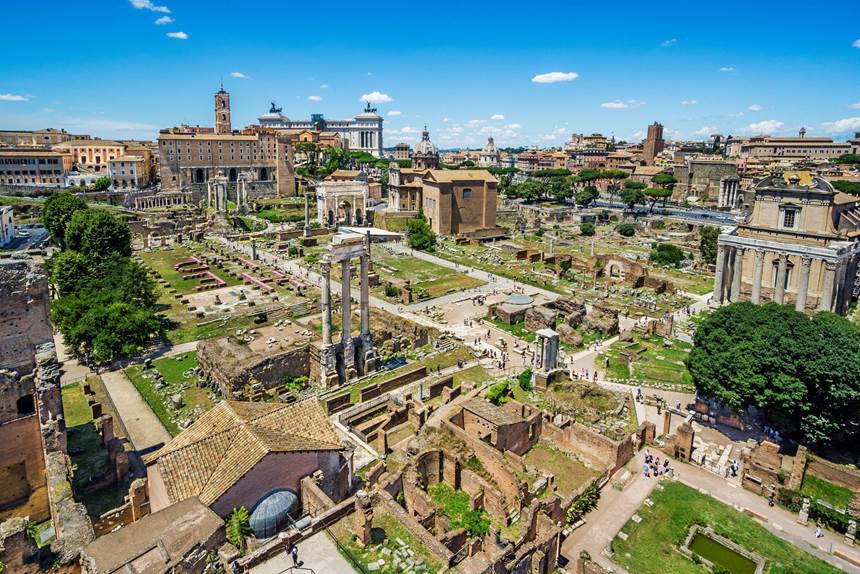
Palatine Hill
Palatine Hill, one of the Seven Hills of Rome, is a place of deep historical significance. It is believed to be the birthplace of Romulus, the legendary founder of Rome. The hill is home to the remains of several imperial palaces, offering visitors a glimpse into ancient Roman architecture and luxury. Overlooking the Roman Forum, Palatine Hill provides stunning views of the city. It is also rich in archaeological sites, with gardens and temples that trace the development of Rome from its earliest days to the peak of its power.
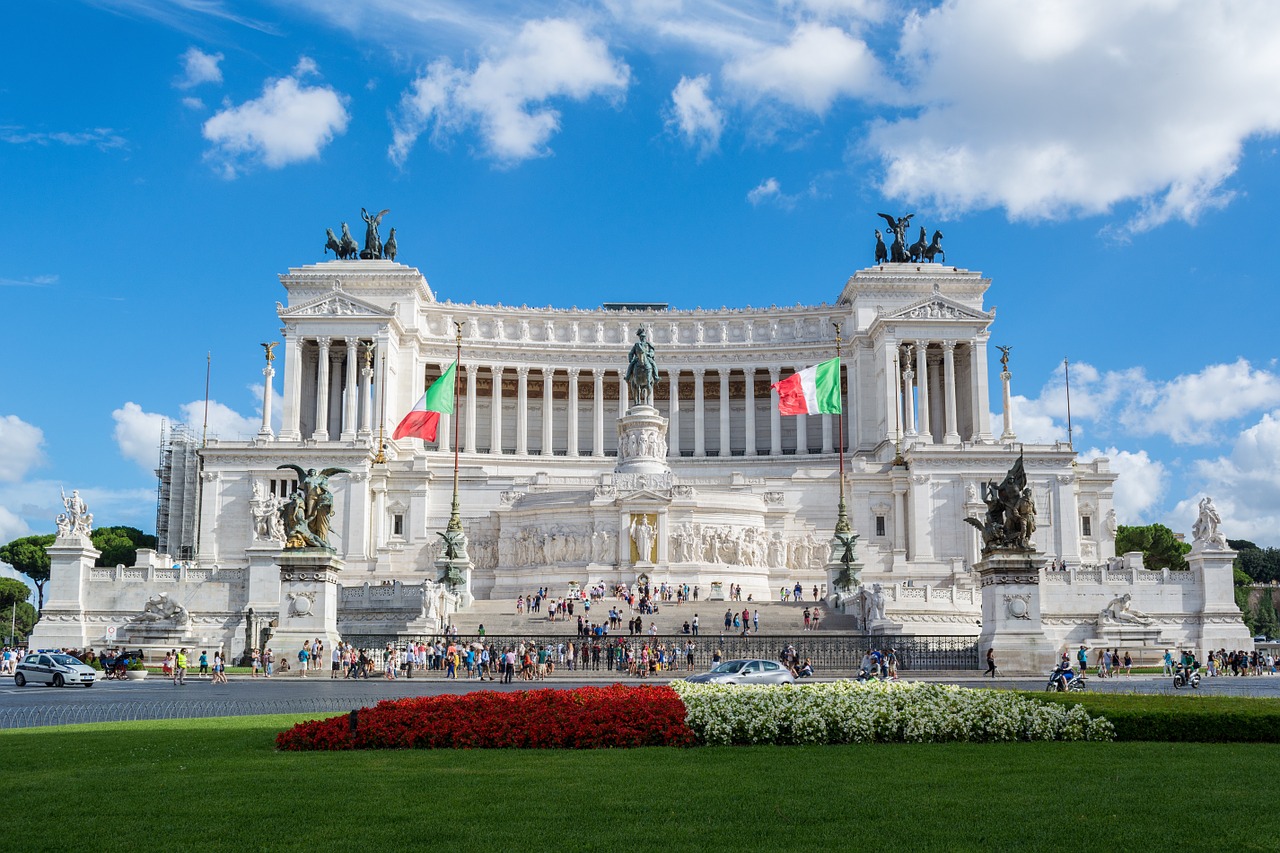
Altare della Patria
The Altare della Patria, also known as the Vittoriano, is a monumental structure in the center of Rome. Built in honor of Victor Emmanuel II, the first king of unified Italy, the monument symbolizes the country's independence and unity. The grand white marble building is adorned with sculptures and a large equestrian statue of the king. It houses the Tomb of the Unknown Soldier, and its panoramic views of the city make it a prime attraction for visitors. It is a symbol of national pride and Italian heritage.
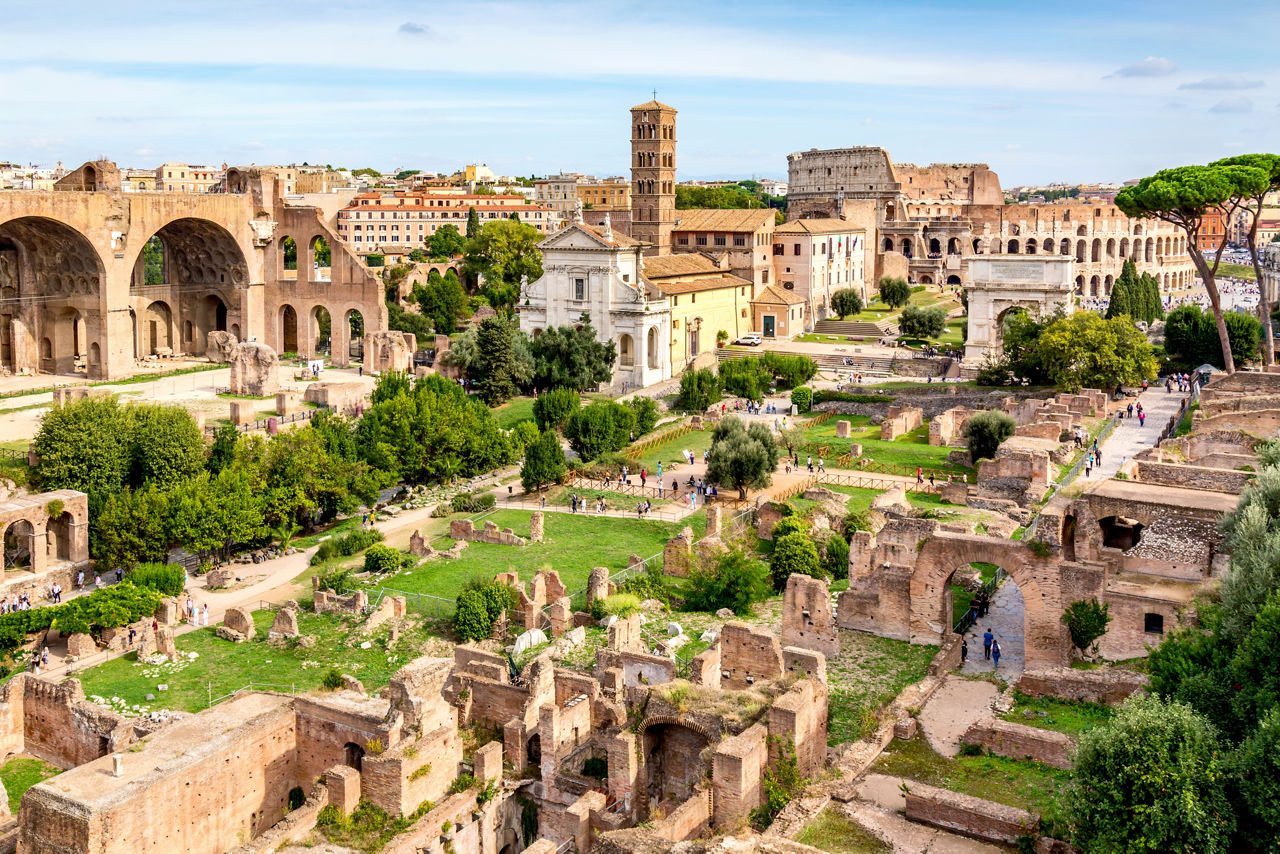
Foro Romano
The Roman Forum, or Foro Romano, was the political and social heart of ancient Rome. It was the site of triumphal processions, public speeches, and criminal trials. The ruins of the Forum still showcase the grandeur of Roman architecture, with notable structures such as the Temple of Saturn and the Senate House. Over the centuries, it became a symbol of Roman authority and power. Today, the Roman Forum is one of the most visited archaeological sites, offering insights into the daily life of ancient Romans and their government.
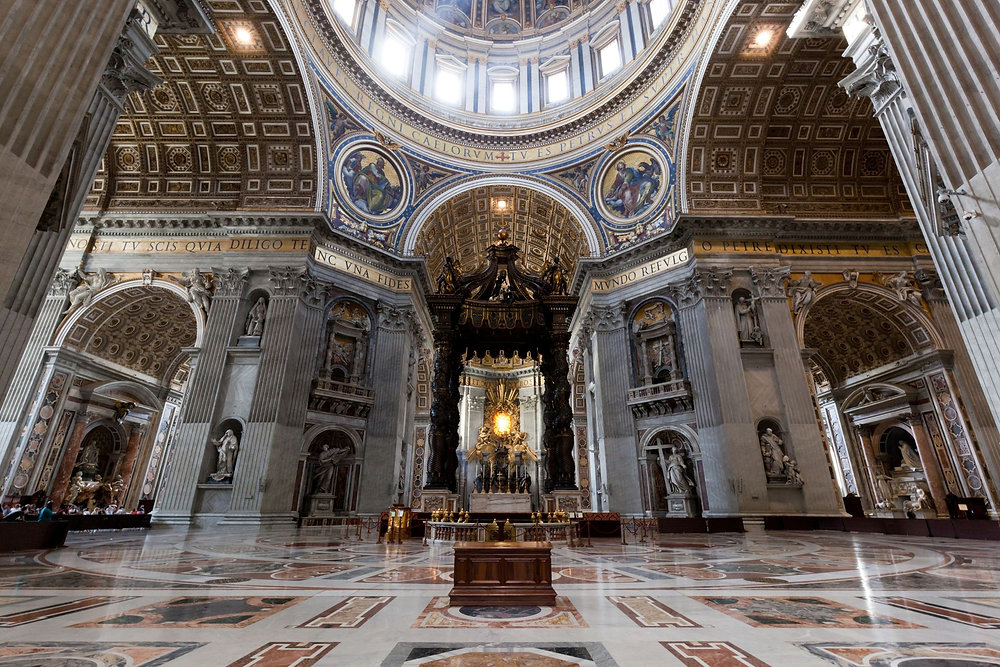
St. Peter's Basilica
St. Peter's Basilica is one of the most iconic churches in the world and a masterpiece of Renaissance architecture. Located in Vatican City, it is the largest church in Christendom and serves as the spiritual center for the Catholic Church. The basilica's dome, designed by Michelangelo, dominates the skyline of Rome. Inside, visitors can admire works of art by great masters like Bernini and Michelangelo. It is a place of pilgrimage for millions and hosts important religious ceremonies, making it one of the most significant religious sites globally.
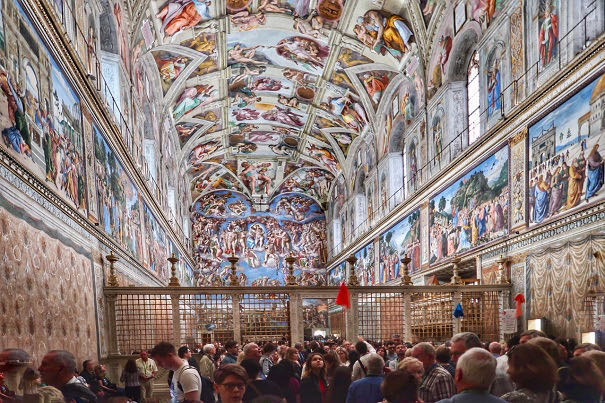
Sistine Chapel
The Sistine Chapel, located within the Vatican, is renowned for its stunning frescoes painted by Michelangelo. Its ceiling, which depicts scenes from the Book of Genesis, is considered one of the greatest masterpieces of Western art. The chapel also serves as the location for the papal conclave, where new popes are elected. The intricate artwork, including the iconic "Creation of Adam," draws millions of visitors each year. Its beauty and historical significance make the Sistine Chapel one of the most famous religious and cultural sites in the world.
Italy